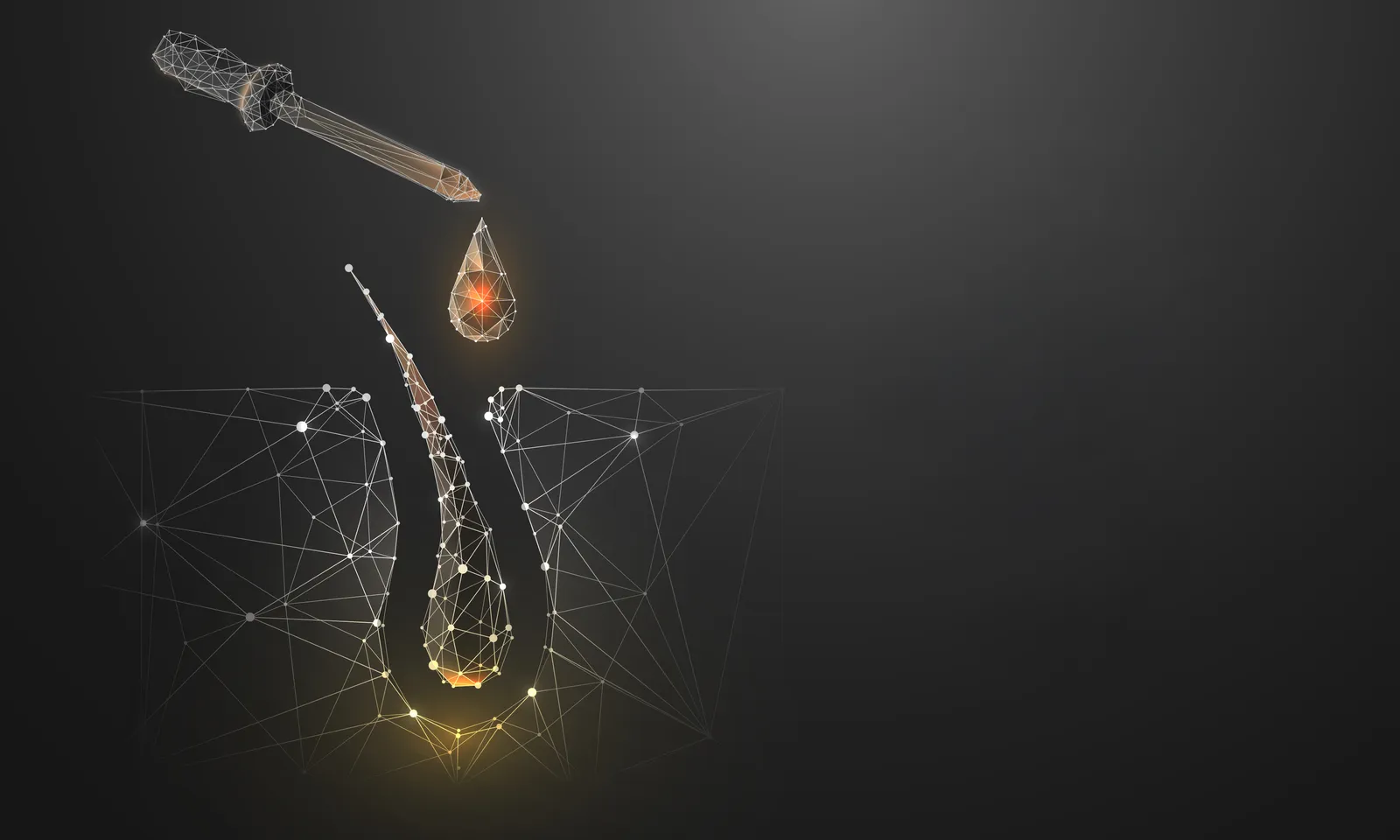
Getting to the Root of Hair Loss
What Are the Main Causes of Hair Loss?
Tap a cause to learn more
The Many Forms of Hair Loss
Tap a card to learn more about each type
Telogen Effluvium
Click to learn more
Telogen Effluvium
This type of hair loss is often sudden or can be chronic. Could be caused by dietary habits, hormonal issues, exposure to toxins, medications, illness, stress, or surgery. Most often can be corrected once these issues are resolved.
Senescent Alopecia
Click to learn more
Senescent Alopecia
This type of hair loss is our bodies natural process in which the hair gradually thins with age.
Androgenic Alopecia
Click to learn more
Androgenic Alopecia
Or male and female patterned baldness. This is what you most often see and is what you'd think as someone who is balding. It is caused by our genetics and DHT.
Scarring Alopecia
Click to learn more
Scarring Alopecia
There are many forms of scarring alopecia, but it is caused by scar tissue covering the follicle and the hair will no longer grow back. This is mostly from burns, cuts, and our autoimmune system.
Autoimmune Disorders
Click to learn more
Autoimmune Disorders
This is where our own bodies fight against our hair follicles. Alopecia Areata, Alopecia Universalis, Alopecia Totalis, are some more common examples of hair loss from autoimmune issues.
Can Hair Loss Be Stopped?
Yes, Often It Can
Many internal and external factors contribute to hair loss. But for many people, hair loss can be reversible if corrected quickly. Checking vitamin and hormone levels can help get hair growing again because our hair follicles are so interconnected to what's going on inside our bodies.
Stress, surgeries, having babies, diet, and rapid weight loss can give us all-over, rapid shedding (Telogen Effluvium). Fortunately, all these factors can be addressed with the proper hair regrowth strategy.
Explore Hair RenewalTime Is Critical
Male and Female pattern balding (Androgenic Alopecia) stems from your genetics. You currently cannot change your DNA, but the sooner you notice your hair line receding and your part line thinning, the more likely you are to reverse hair loss.
The bottom line: if you wait too long, you may not be able to grow your hair back at all, unless you undergo hair transplants — and sometimes not even hair transplants will work.
See Our ProcessThere are also many autoimmune diseases that can negatively impact hair follicles. While sometimes you can grow hair back, the cycle of falling out and growing back continues. That's why it's important to find the root cause — so you don't waste money on products and treatments that won't work for you.
The Big Contributor
DHT (Dihydrotestosterone) is the #1 contributor to hair loss. An enzyme called 5-alpha reductase converts testosterone to DHT.
DHT binds to androgen receptors in the hair follicle and essentially sends a signal to “turn off” hair growth. The hair miniaturizes and eventually the hair follicle dies.
What About Rogaine & Finasteride?
Many people have heard of these common DHT blockers. Here's what you should know:
Rogaine (Minoxidil)
The active ingredient helps keep hair in an active growing stage for longer. However, some clients cannot use it due to health reasons.
Finasteride (Propecia)
A prescription DHT blocker that works systemically. While effective for many, it can cause unwanted side effects. Dutasteride is a similar prescription alternative.
Our Approach
Many individuals prefer alternative natural treatments with minimal side effects. We help you find the right combination of products and processes tailored to your specific needs — without the unwanted side effects.
Learn About Hair RenewalWhy See a Trichologist?
Trichologists are trained to recognize the factors and scalp conditions that lead to hair loss. In the US, trichologists are non-medical professionals and cannot prescribe medication — but they offer specialized expertise that most doctors don't have.
Consulting both a trichologist and a doctor can yield optimal hair growth outcomes. While doctors can provide valuable insight into blood work, nutrition, and medication, they may not be able to provide detailed information on the variety of options available for hair loss nor have the time to answer as many questions. They may not be as familiar with non-prescription options that patients are increasingly seeking in their quest for natural solutions with minimal side effects. While doctors often recommend medications like Rogaine, Finasteride or Dutasteride, or Spironolactone, many individuals prefer alternative natural treatments.
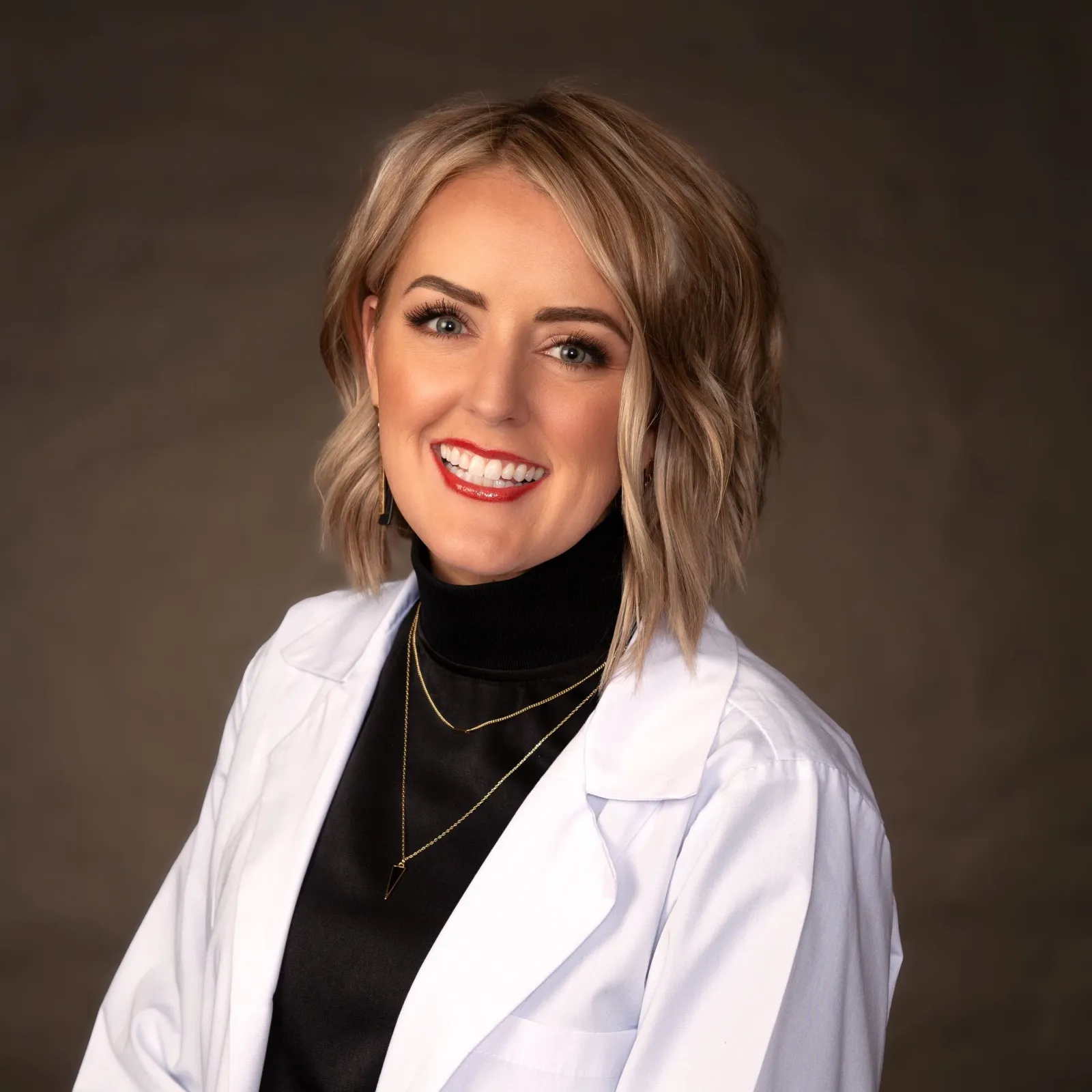
Is a Non-Medical, Multi-Therapeutic Approach Right for Me?
Come in and we will talk through your specific hair loss concerns and what the possibilities are to regrow your hair. Your experience with us will be unique and educational. We work with many medical professionals to help you navigate through your hair growth journey.
Split Ends Under a Microscope
Join us on an exciting journey as we visit Haircor labs to look at split ends under a microscope. Watch as an expert takes us through their cutting-edge research and demonstrates the science behind split ends.
You'll be amazed at the intricate details and the damage these tiny hair fibers endure. Learn valuable tips on preventing and treating split ends to maintain healthy, strong hair.
Explore Scalp TreatmentsQuick Hair Education
Ready to Find Your Solution?
Call us today to schedule your consultation and get to the root of your hair loss.
Call (801) 899-9183